Report on Language and Its Role in Cultural Influence


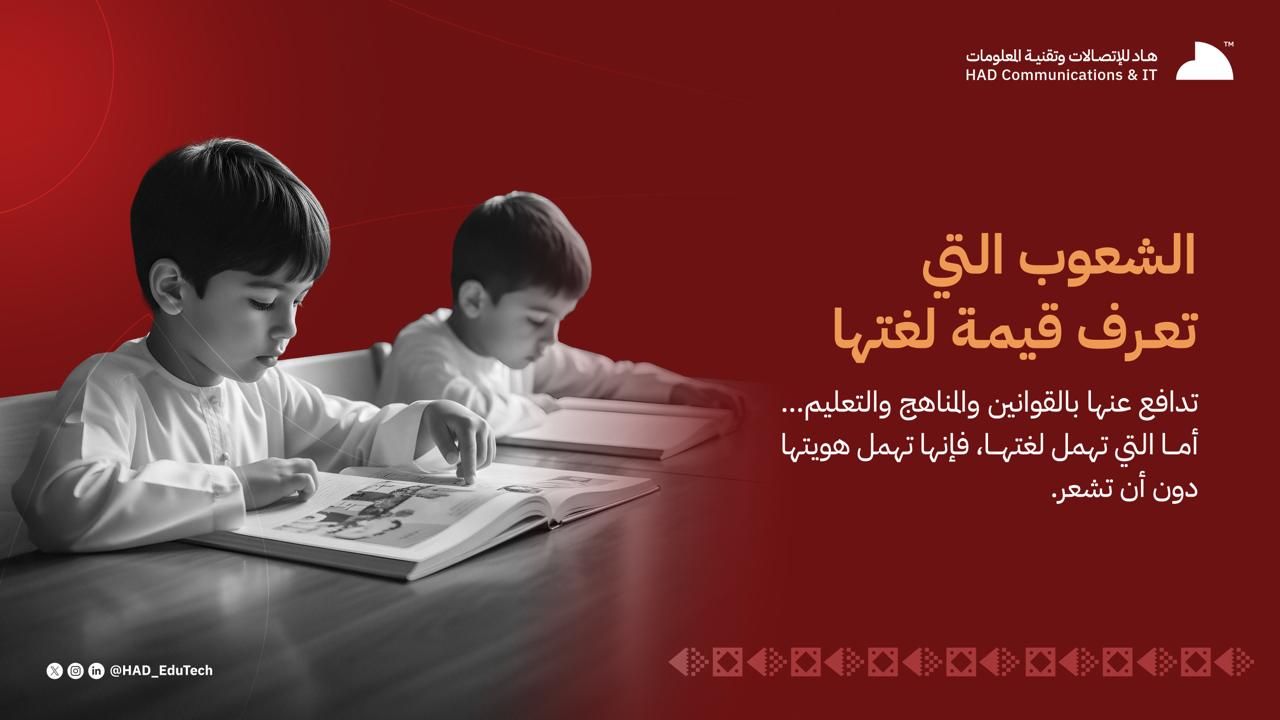
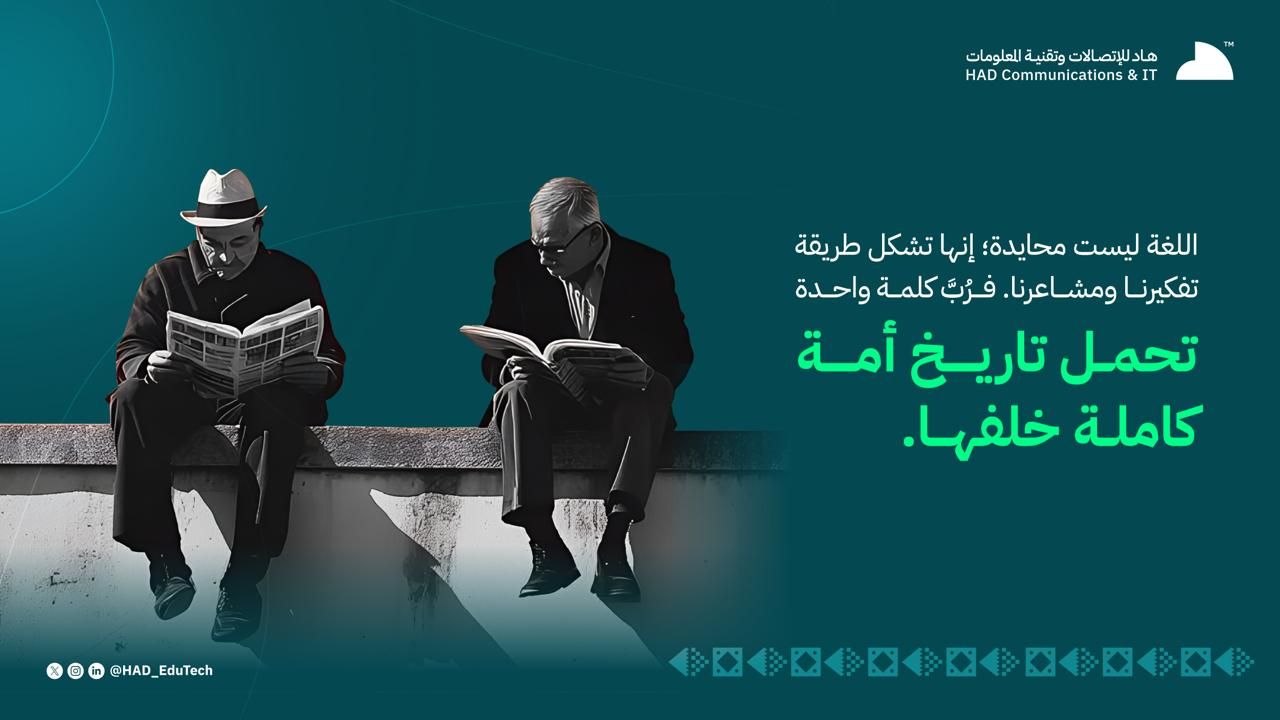

This report explores the profound relationship between language, identity, and belonging, emphasizing that language is far more than a communication tool. It serves as a vessel for culture, history, collective memory, and the values that define nations and communities. The report explains that language carries the stories of ancestors, preserves heritage, and strengthens individuals’ sense of identity and attachment to their society. It defines language as a system of sounds and symbols learned from early childhood through which people express thoughts, emotions, and experiences while reflecting the cultural character of their communities.
Language, Identity, and Belonging
The report highlights the reciprocal relationship between language and identity, showing that each reinforces the other. A strong identity supports the vitality of language, while linguistic decline often leads to weakened cultural identity. It also discusses the concept of belonging as an emotional connection to one’s community, culture, and values, explaining how language plays a central role in fostering this connection. Through historical examples, including the revival of the Irish language as a symbol of national unity and independence, the report demonstrates how language can strengthen social cohesion and collective consciousness.
Heritage, Religion, and Linguistic Challenges
Furthermore, the report examines the role of heritage and religion in shaping cultural identity, stressing that language is the primary medium through which traditions, beliefs, literature, and historical knowledge are transmitted across generations. It warns that weakening or replacing a language may sever communities from their cultural roots and historical memory. The report also analyzes contemporary challenges such as globalization, linguistic conflict, foreign-language dominance, bilingual education, media influence, and labor market pressures that contribute to diminishing the status of native languages and weakening cultural attachment.
Language Protection and Development Efforts
In its concluding sections, the report presents international examples of successful language protection policies and highlights Arab linguistic institutions and initiatives dedicated to preserving and developing the Arabic language.
Recommendations and Conclusion
<u>Underline</u> The report concludes with practical recommendations, including strengthening Arabic in education, supporting translation and Arabization efforts, empowering families and schools to promote language awareness, and utilizing modern technologies to create attractive Arabic content. Ultimately, the report argues that language is the living voice of a nation and a fundamental pillar for preserving cultural identity, national unity, and civilizational continuity.