HAD's Participation | Arabic Language and Nonprofit Sector Conference
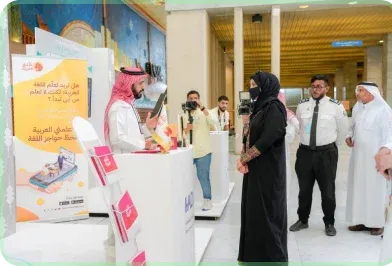
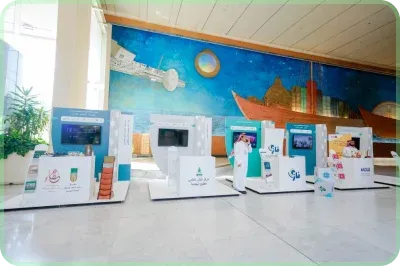
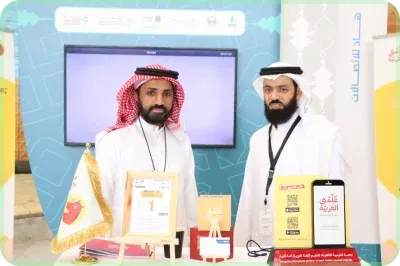
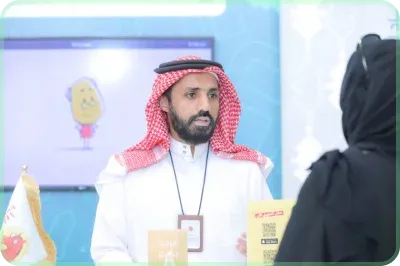
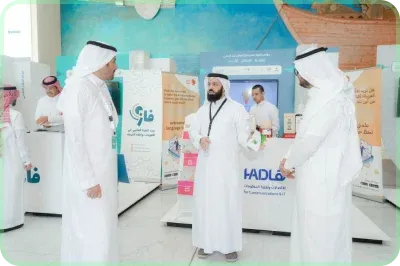
The Arabic Language and Non-Profit Sector Conference is a specialized academic and cultural event that aims to highlight the role of the Arabic language in supporting community development and strengthening the contribution of the non-profit sector to the promotion and preservation of the Arabic language. The conference brings together academics, researchers, experts, and representatives of non-profit organizations to discuss key issues, challenges, and opportunities related to serving the Arabic language and developing sustainable linguistic initiatives.
Arabic Language and Non-Profit Sector Conference | Kingdom of Saudi Arabia
The event included participation in conference activities and attendance at specialized sessions and discussions that explored the relationship between the Arabic language and the non-profit sector. The conference highlighted the role of institutions and community initiatives in preserving the Arabic language and enhancing its presence in educational, cultural, and developmental fields. It also provided an opportunity to learn about successful experiences and best practices that contribute to supporting the Arabic language and enriching Arabic knowledge content.
Scientific Sessions and Panel Discussions
The conference featured a variety of scientific sessions and panel discussions covering topics related to the future of the Arabic language and the role of non-profit organizations in supporting linguistic and cultural programs. Participants also explored initiatives and projects that contribute to strengthening the use of Arabic and developing educational and knowledge-based resources. These sessions encouraged the exchange of expertise, ideas, and experiences among specialists and stakeholders in the linguistic field.
Innovative Initiatives and Projects
The event provided an opportunity to explore a range of initiatives and projects implemented by non-profit organizations in the fields of education, culture, and Arabic language development. Various programs aimed at strengthening linguistic identity, encouraging reading and scientific research, and enhancing Arabic content to meet modern societal needs were presented and discussed.
Strengthening Cooperation and Partnerships
The conference emphasized the importance of building partnerships and collaboration between academic institutions, cultural organizations, and non-profit entities to support linguistic projects and create sustainable impact in serving the Arabic language. It also provided a platform for exchanging knowledge and expertise and exploring future opportunities for cooperation among participating organizations.
Supporting the Arabic Language and Community Development
The event highlighted the Arabic language as a fundamental component of cultural identity and an essential tool for knowledge and social development. It also emphasized the role of the non-profit sector in implementing initiatives and programs that promote the Arabic language and expand its reach among different segments of society, in alignment with national cultural and developmental objectives. Participation in the Arabic Language and Non-Profit Sector Conference contributed to enhancing awareness of leading initiatives and successful experiences in serving the Arabic language. It also provided valuable opportunities for networking, knowledge exchange, and collaboration among specialists and institutions. The conference serves as an important platform for supporting institutional cooperation and advancing collective efforts to strengthen the Arabic language and expand its role across academic, cultural, and community sectors.