Arabic Language and the Digital Reality Report

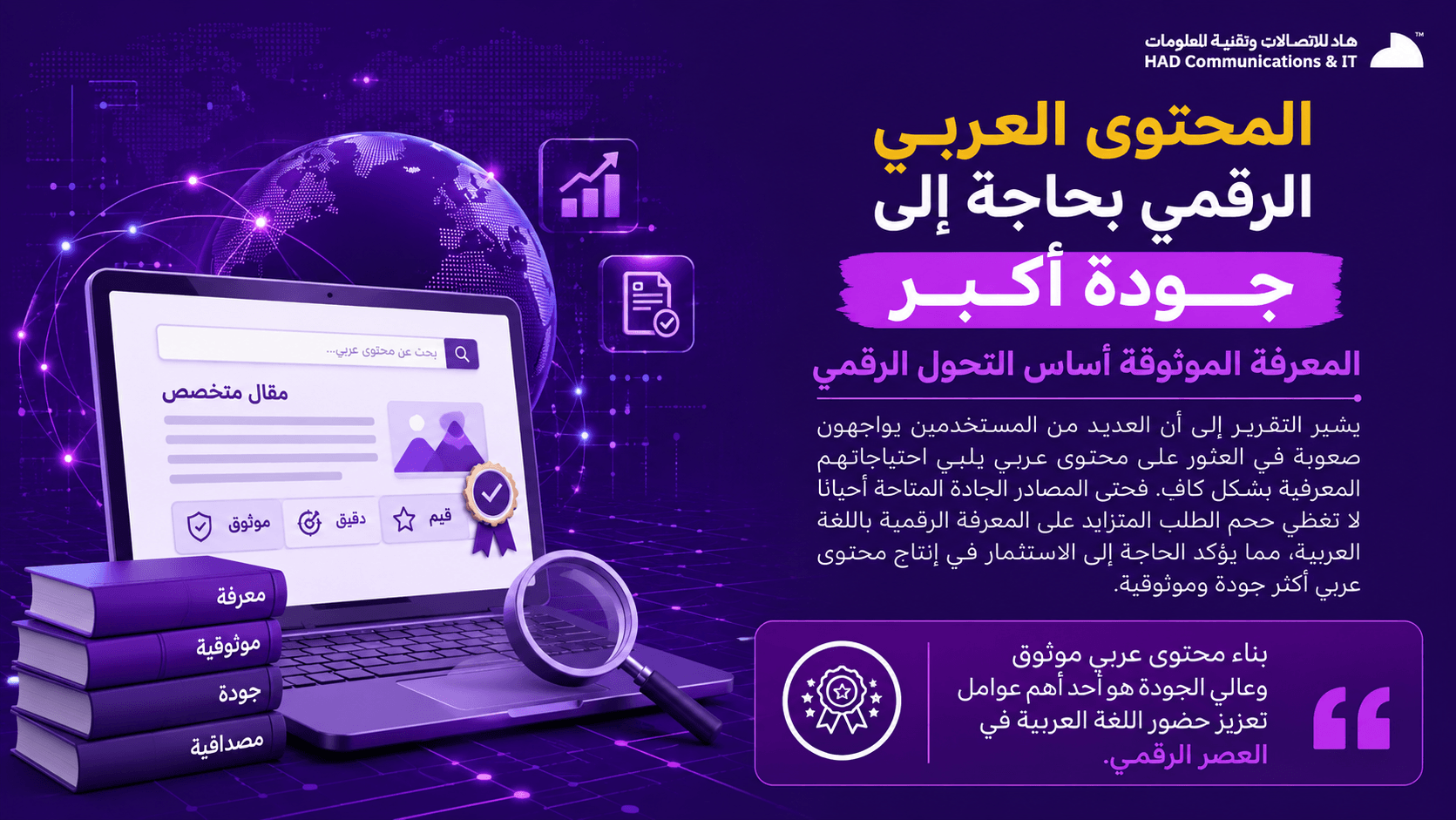
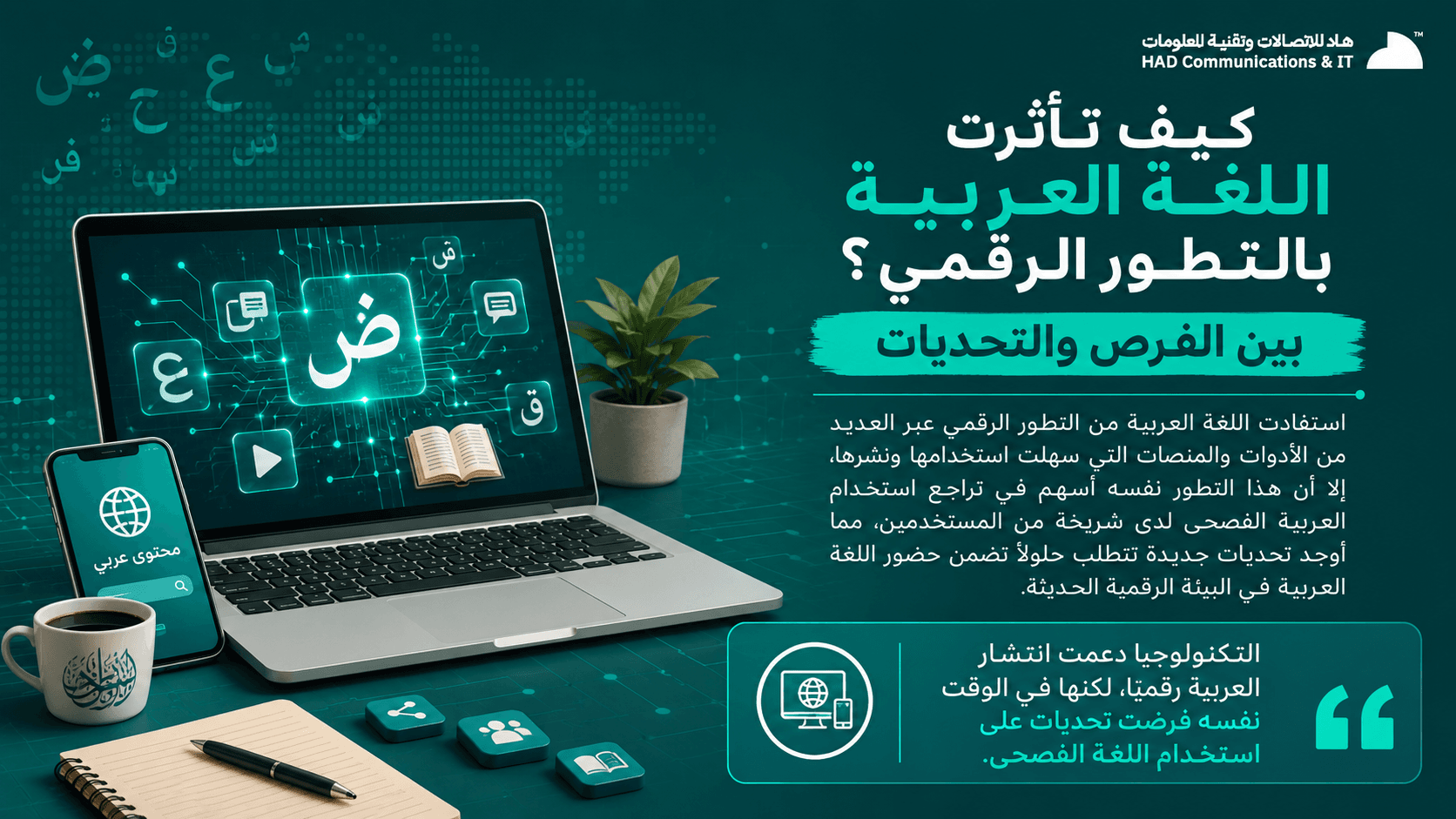
This report examines the current state of the Arabic language in the digital environment and analyzes its presence across the internet and social media platforms in relation to the number of Arabic speakers worldwide. It highlights the challenges facing Arabic digital content in terms of quantity, quality, accessibility, and its ability to meet the growing knowledge needs of users, particularly in a digital landscape largely dominated by other global languages.
Arabic Language and Digital Engagement
The report presents a range of statistics and indicators related to internet usage and social media engagement across the Arab world, demonstrating the rapid growth of digital adoption among Arabic-speaking communities. It explores the noticeable gap between the large number of Arabic internet users and the relatively limited amount of Arabic content available online, identifying this imbalance as one of the key challenges to building a stronger digital knowledge ecosystem.
The Importance of Arabic Language Digitization
In addition, the report emphasizes the importance of digitizing the Arabic language as a means of preserving cultural heritage, safeguarding knowledge resources, facilitating access to information, and supporting scientific research and educational development. It explains how digital transformation can contribute to expanding the global reach of Arabic, improving information accessibility, and creating new opportunities within knowledge-based and digital economies.
The Future of Arabic in the Digital Age
The report also discusses the impact of technological advancement on the Arabic language, highlighting both the opportunities created by digital tools and platforms and the challenges associated with maintaining linguistic quality and promoting the use of Modern Standard Arabic. It concludes that the future of Arabic in the digital age depends on strengthening high-quality Arabic content, supporting knowledge initiatives, and expanding the language’s presence across emerging technologies and global digital platforms to ensure its continued cultural and intellectual influence.