Arabic, the Language of Poetry and Arts Report
This report explores the unique position of the Arabic language as a language of creativity, beauty, and artistic expression. Throughout its rich history, Arabic has been closely associated with poetry, literature, and the arts, serving as a powerful medium for conveying ideas, emotions, and cultural values. The report highlights how the linguistic richness and expressive depth of Arabic have enabled it to become one of the world’s most influential languages in the fields of literature and artistic production.
Arabic Language and the Arts
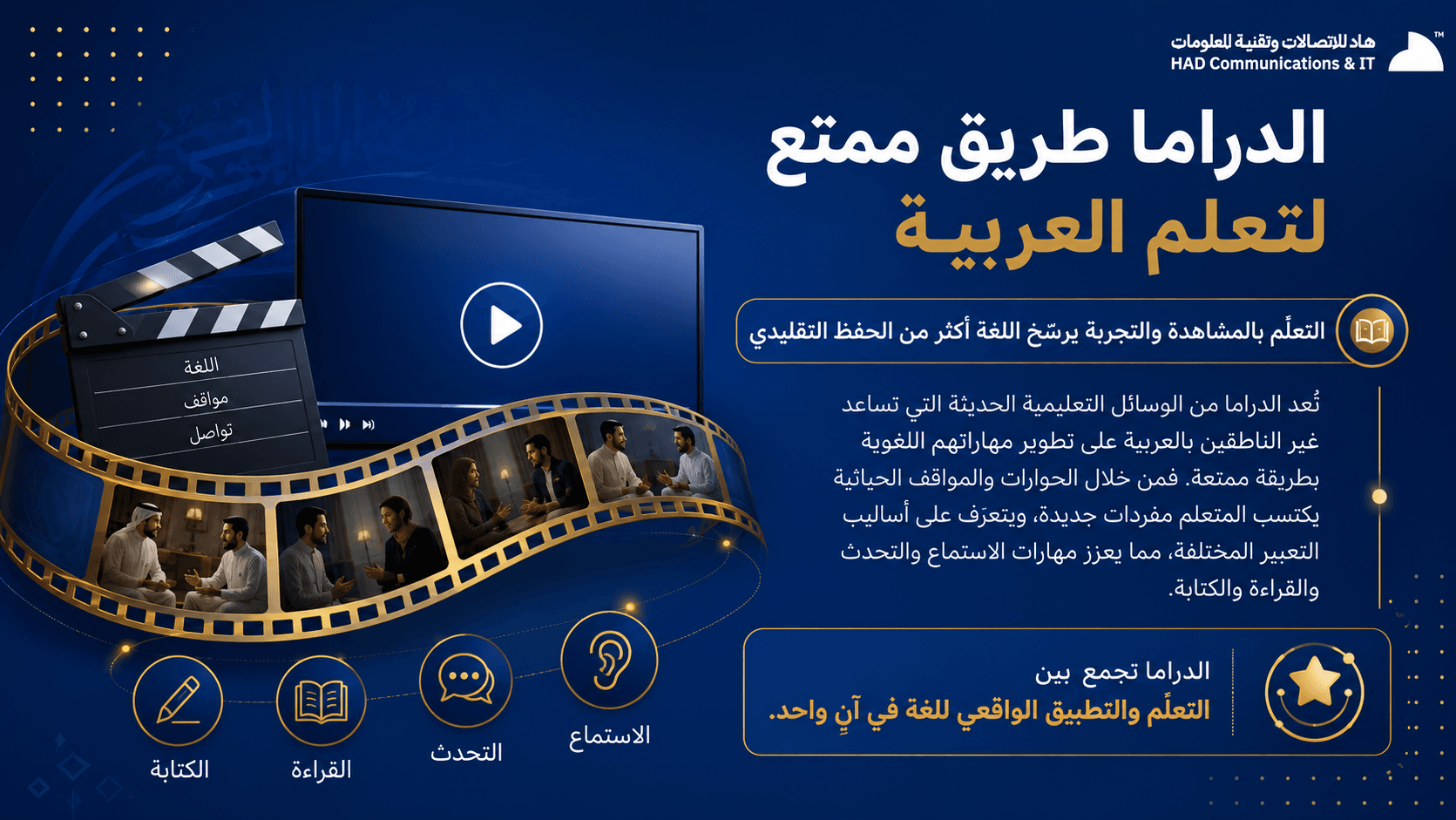
The report examines the strong connection between Arabic and various forms of artistic expression, including poetry, drama, theater, and cultural performance. It demonstrates how artistic works contribute to preserving the language, promoting its use, and strengthening its cultural significance across different societies. It also highlights the role of the arts in introducing Arabic to non-native speakers and making language learning more engaging and accessible.
The Educational Role of Arts in Arabic Language Learning
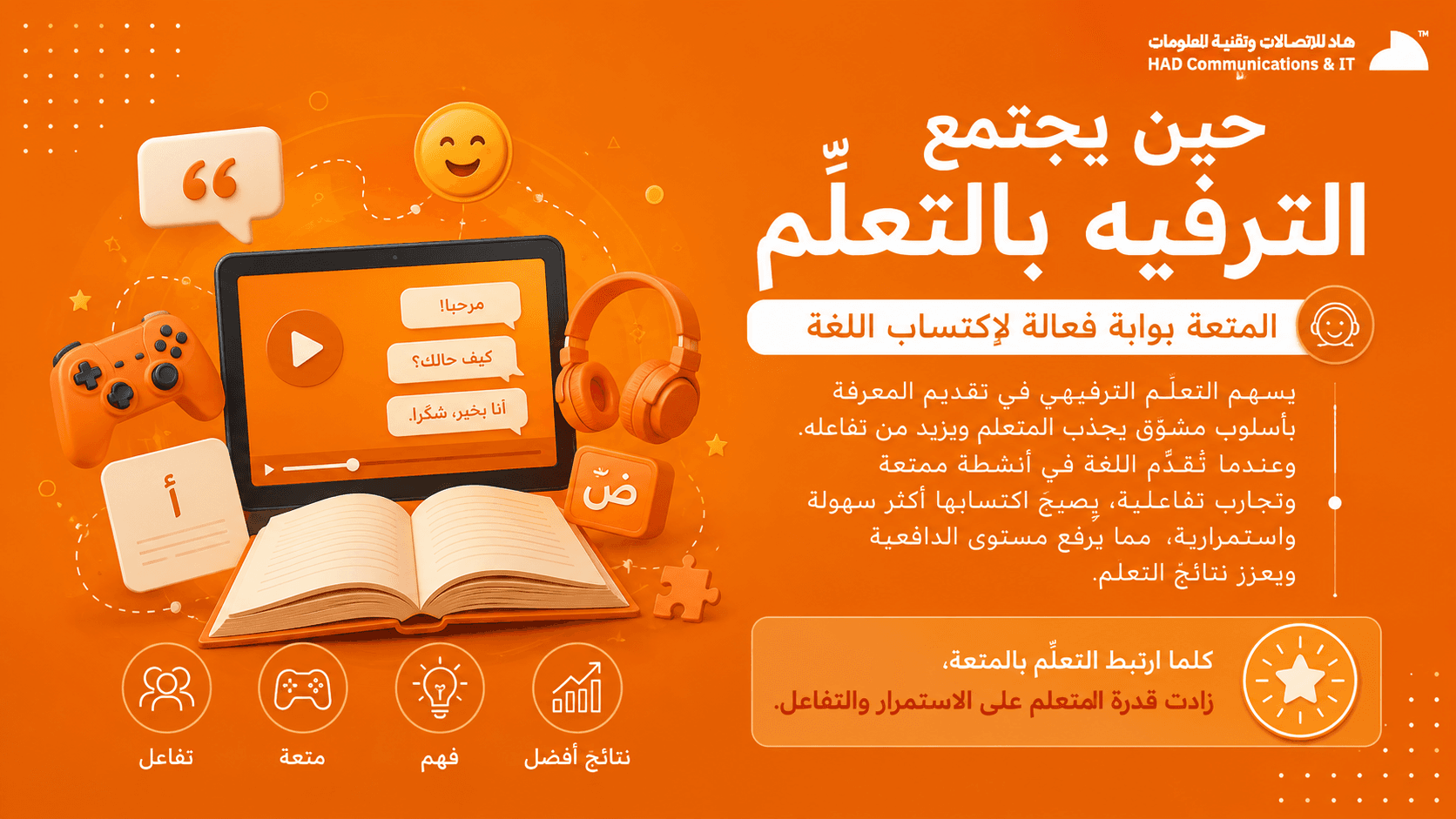
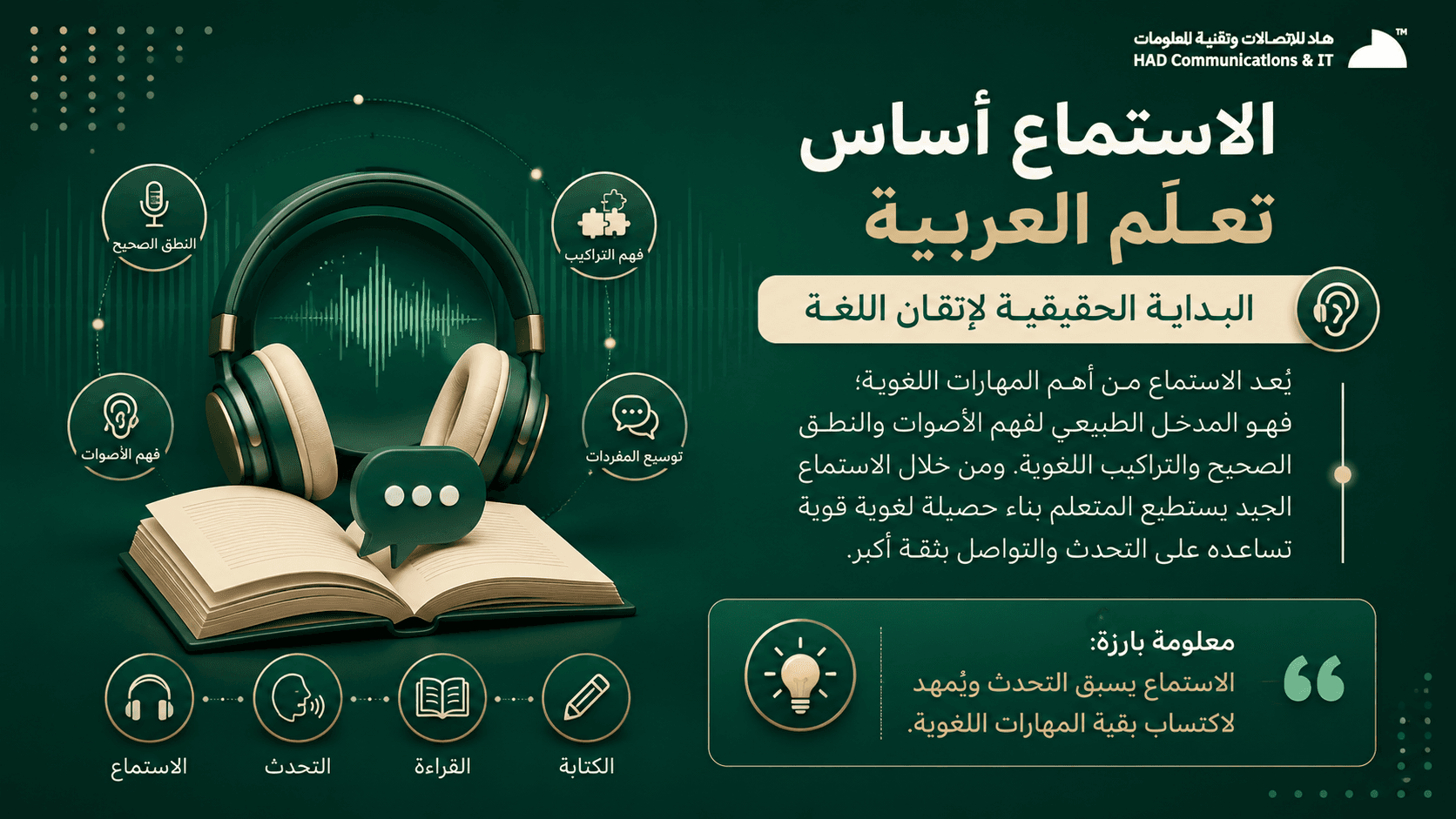
In addition, the report discusses the educational value of drama and creative arts in teaching Arabic. By presenting language within realistic and interactive contexts, artistic experiences help learners improve listening, speaking, reading, and comprehension skills while expanding their vocabulary and cultural understanding. The report also emphasizes the effectiveness of edutainment approaches in increasing learner motivation and participation.
Arabic Language, Culture, and Creative Heritage
Ultimately, the report concludes that Arabic is far more than a communication tool; it is a vessel of culture, knowledge, creativity, and artistic heritage. It highlights the importance of investing in Arabic cultural and artistic production as a means of strengthening the language’s global presence and ensuring its continued relevance in a rapidly evolving world while preserving its authenticity and cultural identity.