Language Games Report
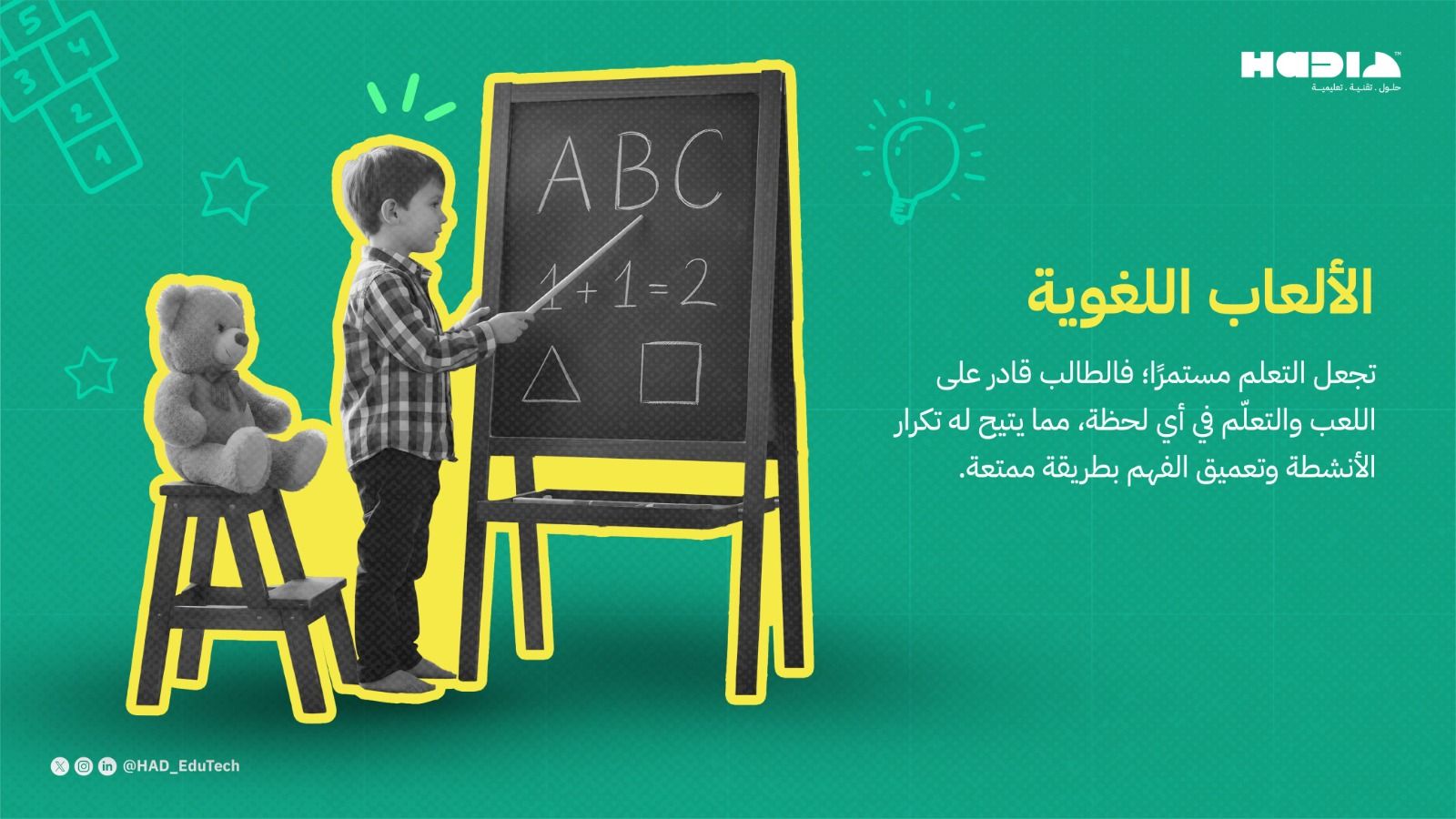
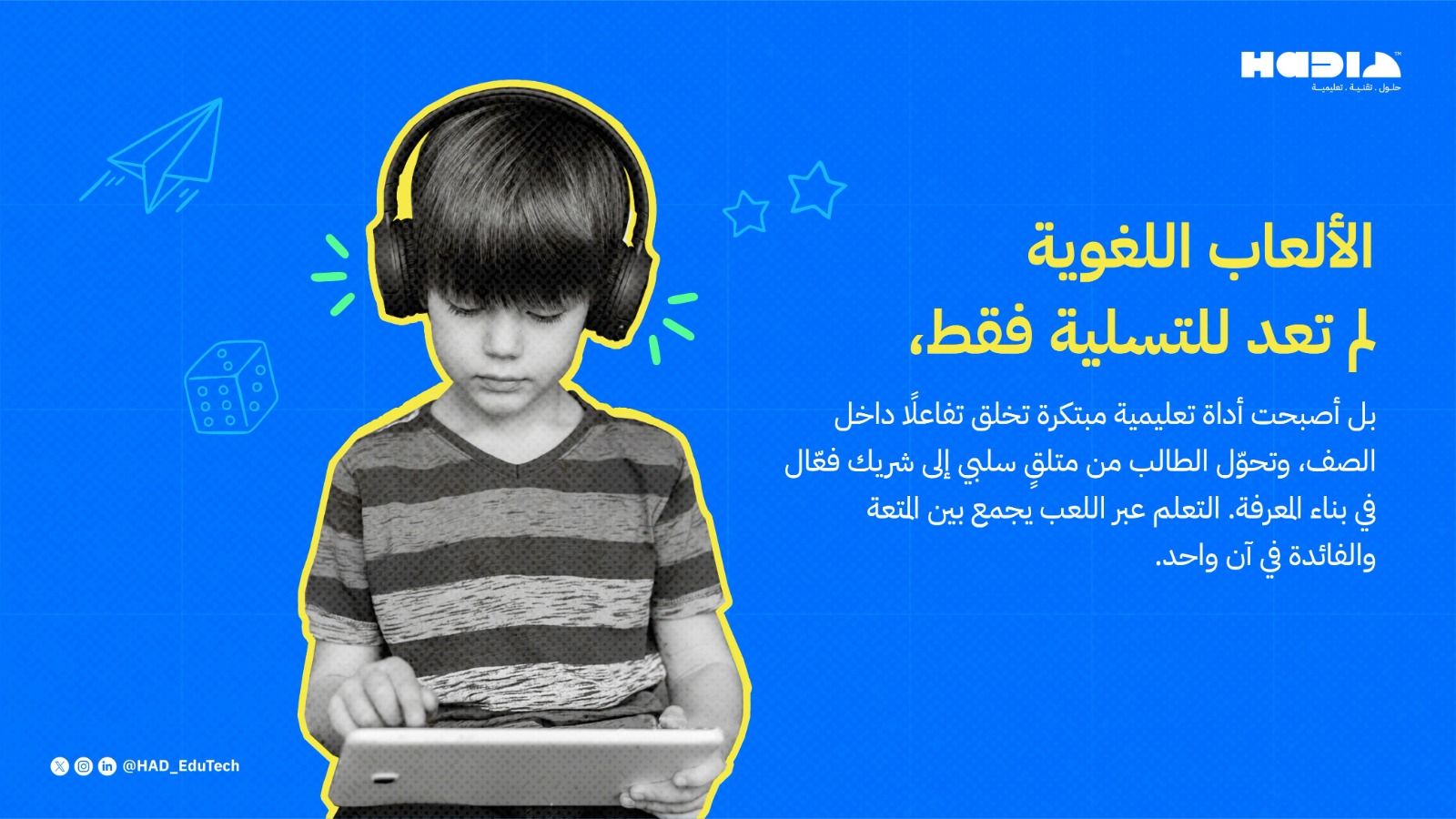
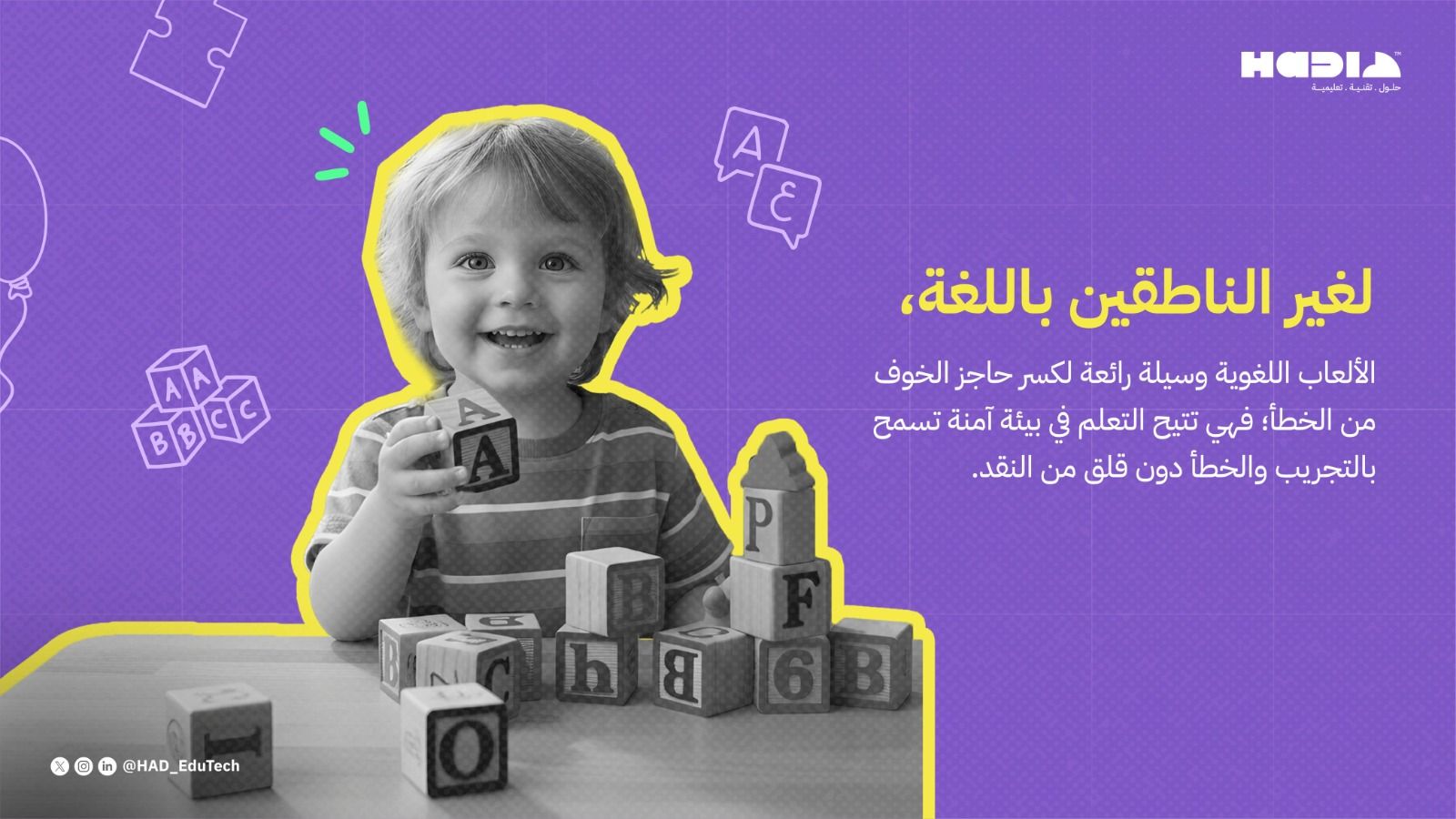

This report explores the concept of language games as a modern educational approach that combines learning with enjoyment, transforming the educational process into a more engaging and interactive experience. It highlights how language games can support language acquisition by encouraging learners to actively participate, communicate, and apply language skills in meaningful and realistic learning situations.
Developing Language Skills Through Games
The report examines the role of language games in developing the four core language skills: listening, speaking, reading, and writing. It also discusses their contribution to improving comprehension, reinforcing knowledge retention, and enhancing learners’ confidence through active participation and continuous practice. By creating a motivating learning environment, language games help increase student engagement and foster creativity, critical thinking, and collaboration.
Applications of Language Games in Arabic Learning
In addition, the report presents various examples and educational applications that demonstrate how language games can be effectively integrated into Arabic language learning environments. These activities support vocabulary development, communication skills, and learner-centered education while promoting independent and lifelong learning.
The Teacher’s Role and the Importance of Language Games
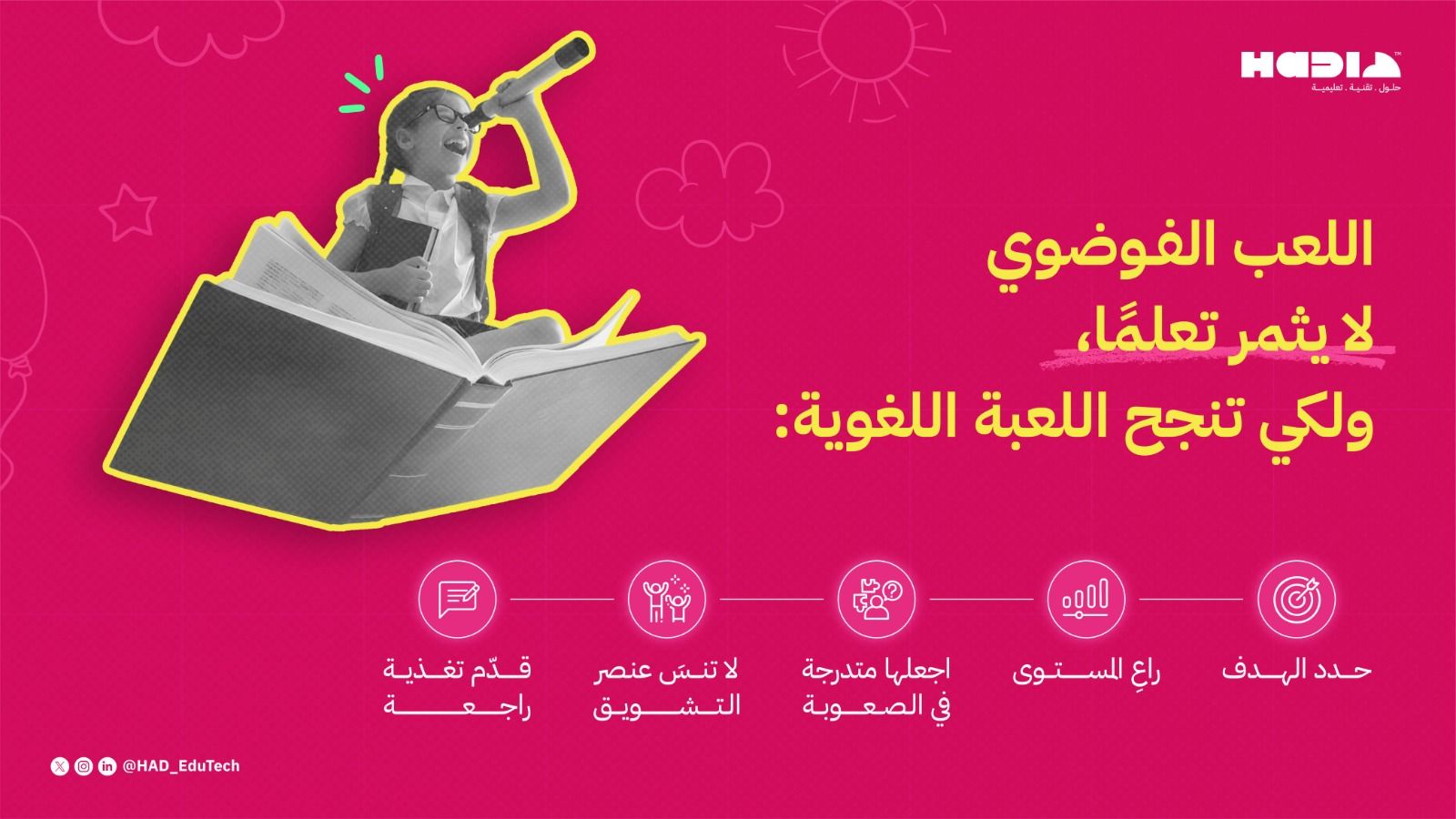
The report also emphasizes the importance of the teacher’s role in selecting and designing suitable language activities that align with educational objectives and learners’ needs. Ultimately, the report concludes that language games are no longer viewed merely as entertainment tools. Instead, they have become an essential component of modern teaching strategies, contributing to more effective learning experiences, stronger learner engagement, and practical language use in real-life contexts.